Uvlack: A Comprehensive Guide to UV-Curable Coatings and Their Growing Importance

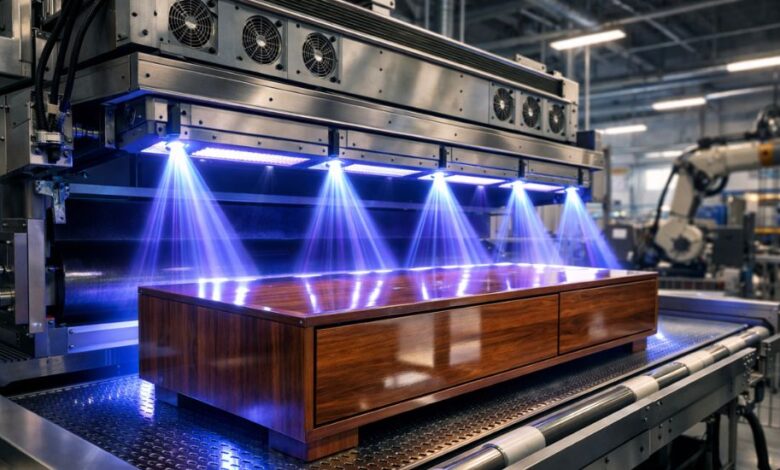
In today’s rapidly evolving industrial and technological landscape, materials and surface treatments play a vital role in determining product durability, appearance, and environmental impact. One emerging and increasingly discussed term in this domain is uvlack. Although not yet a mainstream household word, uvlack has gained attention across manufacturing, design, printing, and industrial finishing sectors. The term is most commonly associated with UV-curable lacquers or coatings—advanced finishes that harden when exposed to ultraviolet (UV) light.
As industries move toward faster production cycles, higher-quality finishes, and more eco-friendly processes, uvlack represents a powerful solution that combines innovation with efficiency. This article explores what uvlack is, how it works, its applications, advantages, challenges, and its potential future in modern industries.
Understanding the Meaning of Uvlack
The word “uvlack” can be interpreted as a combination of two ideas:
- UV (Ultraviolet): A form of electromagnetic radiation used in curing and hardening processes.
- Lack/Lacquer: A protective or decorative coating applied to surfaces.
Together, uvlack generally refers to UV-cured lacquer or coating technology, which uses ultraviolet light to instantly harden a liquid coating into a solid, durable layer. Unlike traditional coatings that rely on air drying or heat-based curing, uvlack coatings cure within seconds when exposed to UV lamps.
In some online blogs and conceptual articles, the term “uvlack” is also used metaphorically to represent innovation, adaptability, or modern technological thinking. However, its strongest and most practical meaning remains rooted in industrial UV-curable coating systems.
How Uvlack Technology Works
The science behind uvlack is based on photopolymerization. This is a chemical reaction triggered by UV light that transforms liquid monomers and oligomers into a solid polymer network.
Step-by-step process:
- Application:
A liquid uvlack coating is applied to a surface such as wood, plastic, metal, or paper using rollers, spray systems, or printing machines. - Exposure to UV Light:
The coated surface passes under UV lamps that emit ultraviolet radiation at specific wavelengths. - Chemical Reaction:
The UV light activates photoinitiators in the coating, causing molecules to bond together rapidly. - Instant Hardening:
Within seconds, the coating transforms into a hard, dry, and durable finish.
This rapid curing process is one of the defining advantages of uvlack over traditional varnishes and lacquers.
Key Features of Uvlack Coatings
Uvlack coatings are valued for several technical and practical characteristics:
- Fast curing time: Hardens almost instantly under UV light.
- High durability: Resistant to scratches, chemicals, and abrasion.
- Superior finish: Produces smooth, glossy, or matte surfaces with excellent clarity.
- Low VOC emissions: Releases fewer volatile organic compounds compared to solvent-based coatings.
- Energy efficiency: Requires less heat and drying time.
- Consistency: Provides uniform thickness and appearance.
These features make uvlack a preferred choice in industries that demand speed, precision, and sustainability.
Applications of Uvlack in Different Industries
1. Furniture and Wood Finishing
One of the most common uses of uvlack is in furniture manufacturing. Cabinets, tables, doors, and flooring often require strong protective finishes that also look attractive.
Benefits in furniture:
- Scratch resistance
- Long-lasting shine
- Protection from moisture and stains
- Faster production cycles
Uvlack allows manufacturers to coat and cure furniture parts in minutes instead of hours or days.
2. Printing and Packaging Industry
In printing, uvlack is used as a UV varnish to enhance visual appeal and durability of printed materials such as:
- Magazines
- Brochures
- Product packaging
- Labels
UV varnish improves:
- Color vibrancy
- Water resistance
- Smudge resistance
- Shelf life of printed products
It also enables special effects like spot gloss and textured finishes.
3. Electronics and Industrial Equipment
Electronic components and industrial tools often require protective coatings that resist heat, chemicals, and wear. Uvlack coatings provide:
- Electrical insulation
- Corrosion resistance
- Mechanical protection
These coatings are widely used on circuit boards, sensors, and industrial machinery parts.
4. Automotive Industry
In automobiles, uvlack coatings are used for:
- Interior panels
- Decorative trims
- Protective layers on plastic and metal parts
The fast curing time improves manufacturing efficiency while ensuring a high-quality finish.
5. Consumer Goods and Design
From mobile phone covers to decorative home items, uvlack helps achieve:
- Sleek surfaces
- Premium appearance
- Long-term durability
Designers value uvlack for its flexibility and creative potential.
Environmental Advantages of Uvlack
One of the strongest arguments in favor of uvlack technology is its environmental friendliness compared to traditional coatings.
Traditional solvent-based coatings release high levels of VOCs into the air, contributing to:
- Air pollution
- Health risks
- Regulatory issues
Uvlack coatings:
- Emit very low VOCs
- Reduce waste
- Require less energy for curing
- Improve workplace safety
As governments and organizations push for greener manufacturing practices, uvlack is becoming a preferred alternative.
Comparison with Traditional Coating Methods
| Feature | Traditional Lacquer | Uvlack (UV Coating) |
|---|---|---|
| Drying Time | Hours or days | Seconds |
| VOC Emissions | High | Low |
| Durability | Moderate | High |
| Energy Use | High (heat drying) | Low |
| Production Speed | Slow | Fast |
| Finish Quality | Variable | Consistent |
This comparison highlights why many industries are shifting toward uvlack solutions.
Challenges and Limitations
Despite its advantages, uvlack technology is not without challenges:
- Initial Equipment Cost:
UV curing systems and lamps require significant upfront investment. - Surface Sensitivity:
Some materials may not tolerate UV exposure or may require special primers. - Limited Penetration:
UV light cannot cure coatings in shaded or hidden areas easily. - Safety Concerns:
UV radiation requires proper shielding and safety measures to protect workers.
However, as technology advances, these challenges are gradually being reduced through improved equipment and formulations.
Conceptual and Creative Interpretations of Uvlack
Beyond industrial usage, some writers and bloggers use the term “uvlack” metaphorically. In this context, uvlack symbolizes:
- Innovation
- Adaptability
- Blending tradition with modern technology
- Transformation through light or knowledge
While not scientifically standardized, this creative interpretation shows how technological terms can influence cultural and philosophical discussions.
The Future of Uvlack Technology
The future of uvlack looks promising due to several trends:
- Growth in sustainable manufacturing
- Expansion of digital printing
- Demand for high-performance coatings
- Smart materials and nanotechnology integration
Researchers are developing new UV-curable coatings that are:
- More flexible
- Safer
- Compatible with more materials
- Even more environmentally friendly
As industries continue to adopt automation and green solutions, uvlack will likely become a standard technology rather than a niche innovation.
Why Uvlack Matters in Modern Industry
Uvlack is more than just a coating method; it represents a shift toward smarter, cleaner, and faster production systems. It supports:
- Higher quality products
- Reduced environmental impact
- Increased manufacturing efficiency
- Creative design possibilities
In a world that values both sustainability and performance, uvlack stands as a strong example of how technology can meet both goals.
Final Thoughts
Uvlack is a powerful and evolving concept rooted in UV-curable coating technology. From furniture and printing to electronics and automotive industries, it plays a crucial role in improving durability, aesthetics, and efficiency. Its environmental advantages make it especially relevant in an era where sustainability is no longer optional but essential.
As industries and designers continue to experiment with new materials and methods, uvlack will likely expand its influence across multiple fields. Whether viewed as a technical solution or a symbol of innovation, uvlack represents the future of surface finishing and modern manufacturing.
This article has been prepared to inform and educate readers who seek reliable and easy-to-understand knowledge about emerging technologies like uvlack. Platforms such as Newsz aim to bring such informative and engaging content to a wider audience, helping readers stay updated with trends that shape industries and everyday life.
By sharing insights into uvlack and similar innovations, Newsz continues to support curiosity, learning, and awareness in the digital age.