Multiple Severe Thunderstorm Alerts Issued for South Carolina Counties: What Residents Need to Know

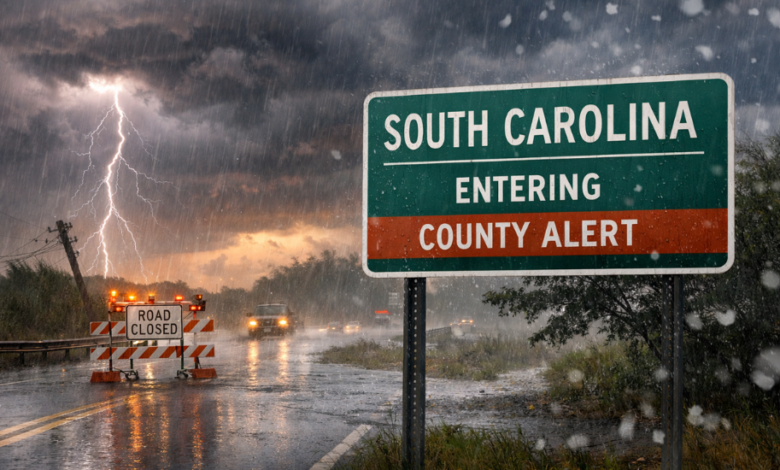
In recent days, multiple severe thunderstorm alerts have been issued for South Carolina counties, placing residents across the state on high alert as rapidly changing weather conditions threaten safety, infrastructure, and daily life. From the Upstate to the Lowcountry, communities have experienced intense rainfall, damaging winds, frequent lightning, and the potential for flash flooding. These developments underscore the growing volatility of seasonal weather patterns and the importance of preparedness when severe storms strike.
Severe thunderstorms are not uncommon in the southeastern United States, but when alerts are issued for multiple counties simultaneously, the scale and potential impact become far more serious. Weather officials urge residents to closely monitor updates, understand the difference between watches and warnings, and take immediate action when conditions worsen.
Understanding Severe Thunderstorm Alerts
Severe thunderstorm alerts are issued by the National Weather Service when storms meet specific criteria that indicate a heightened risk to people and property. These criteria typically include wind gusts of 58 miles per hour or higher, hail measuring at least one inch in diameter, or intense rainfall capable of causing flooding.
There are two main types of alerts that residents should be aware of:
- Severe Thunderstorm Watch: This means weather conditions are favorable for severe thunderstorms to develop. While a watch does not mean severe weather is occurring, it signals that people should remain alert and prepared to act.
- Severe Thunderstorm Warning: This is issued when a severe thunderstorm has been detected by radar or confirmed by observers. A warning means immediate action is required to protect life and property.
When multiple severe thunderstorm alerts are issued for South Carolina counties, it often indicates a large storm system affecting wide areas rather than isolated cells.
Counties Affected Across South Carolina
The recent wave of severe weather has impacted numerous counties throughout South Carolina, including regions in the Upstate, Midlands, Pee Dee, and Lowcountry. Counties such as Greenville, Spartanburg, Richland, Lexington, Florence, and Charleston have all experienced varying degrees of storm activity during recent alert periods.
In the Upstate, residents reported strong wind gusts capable of downing trees and power lines. The Midlands saw heavy rainfall leading to water accumulation on roads and concerns over flash flooding. Coastal counties in the Lowcountry faced intense lightning activity and sudden downpours, which disrupted travel and outdoor activities.
Because storm systems often move quickly across county lines, alerts were frequently expanded or updated as conditions evolved. This dynamic nature of severe weather makes continuous monitoring essential.
Meteorological Factors Behind the Storms
Meteorologists point to a combination of atmospheric conditions that contributed to the widespread issuance of alerts. Warm, humid air at the surface collided with cooler air aloft, creating instability in the atmosphere. This instability, combined with strong wind shear, allowed thunderstorms to intensify rapidly.
A passing cold front also played a key role, acting as a trigger for storm development. As the front moved across South Carolina, it interacted with moisture-rich air, fueling powerful thunderstorm cells. These storms were capable of producing damaging winds, torrential rainfall, and frequent lightning in short periods of time.
Such setups are particularly common during late spring and summer, but experts note that climate variability may be increasing the frequency and intensity of severe weather events across the region.
Impacts on Daily Life and Infrastructure
When multiple severe thunderstorm alerts are issued for South Carolina counties, the effects can be felt almost immediately. Power outages are among the most common consequences, as strong winds and falling trees damage electrical infrastructure. Utility crews often work around the clock to restore service, but outages can last hours or even days in heavily affected areas.
Transportation is another major concern. Heavy rainfall can quickly overwhelm drainage systems, leading to flooded roads and hazardous driving conditions. Emergency officials repeatedly warn drivers not to attempt to cross flooded roadways, as even shallow water can sweep vehicles away.
Air travel and public transportation may also experience delays or cancellations during severe weather. Outdoor events, construction projects, and agricultural activities are frequently suspended until conditions improve.
Safety Guidelines for Residents
During periods of severe weather, safety should always be the top priority. Authorities recommend several key precautions when severe thunderstorm alerts are in effect:
- Stay indoors and away from windows during a severe thunderstorm warning.
- Secure outdoor furniture and loose objects that could become airborne.
- Avoid using electrical appliances during intense lightning activity.
- Never shelter under trees during a storm, as lightning strikes are common.
- Monitor local weather updates through reliable sources and emergency alerts.
Residents in flood-prone areas should be especially cautious, as heavy rainfall can lead to flash flooding with little warning.
The Role of Technology and Early Warnings
Advancements in weather radar and forecasting technology have significantly improved the ability of meteorologists to detect and track severe thunderstorms. Doppler radar systems allow forecasters to monitor storm rotation, wind speeds, and rainfall intensity in real time.
Emergency alert systems also play a critical role in disseminating warnings to the public. Smartphone alerts, local media broadcasts, and weather radio notifications ensure that information reaches residents quickly. When multiple severe thunderstorm alerts are issued for South Carolina counties, these systems help reduce confusion and save lives by providing timely instructions.
Community Preparedness and Response
Local governments and emergency management agencies across South Carolina regularly conduct preparedness campaigns to educate residents about severe weather risks. These efforts include public awareness programs, school safety drills, and coordination with first responders.
Community preparedness is especially important in rural areas, where access to immediate assistance may be limited. Having an emergency kit, a family communication plan, and knowledge of safe shelter locations can make a significant difference during severe storms.
Neighborhood cooperation also plays a role, as residents often check on elderly or vulnerable neighbors following severe weather events.
Long-Term Weather Trends and Climate Considerations
While individual storms are influenced by short-term weather patterns, scientists continue to study long-term trends that may affect storm frequency and intensity. Many experts believe that rising global temperatures contribute to increased atmospheric moisture, which can fuel more intense thunderstorms.
South Carolina’s geographic location makes it particularly susceptible to severe weather, including thunderstorms, hurricanes, and tropical systems. Understanding these risks and planning accordingly is essential for both residents and policymakers.
Infrastructure improvements, updated building codes, and enhanced emergency response systems are among the measures being discussed to reduce the impact of future storms.
Staying Informed During Severe Weather Events
One of the most effective ways to stay safe during severe weather is to remain informed. Reliable news sources, official weather agencies, and trusted local outlets provide continuous updates when multiple severe thunderstorm alerts are issued for South Carolina counties.
Following real-time information allows residents to make informed decisions about travel, work, and sheltering. It also helps dispel rumors or misinformation that can spread quickly during emergencies.
Final Thoughts from Newsz
As severe weather events continue to affect communities across South Carolina, awareness and preparedness remain the strongest defenses against potential harm. The recent issuance of multiple severe thunderstorm alerts for South Carolina counties serves as a reminder that nature can change rapidly and without warning.
At Newsz, we remain committed to delivering accurate, timely, and easy-to-understand information to help our readers stay safe and informed. By following official guidance, staying alert, and preparing in advance, residents can better navigate the challenges posed by severe thunderstorms and other extreme weather events.