Lewis Center Ohio Champion Trees: Living Giants of Nature, History, and Community

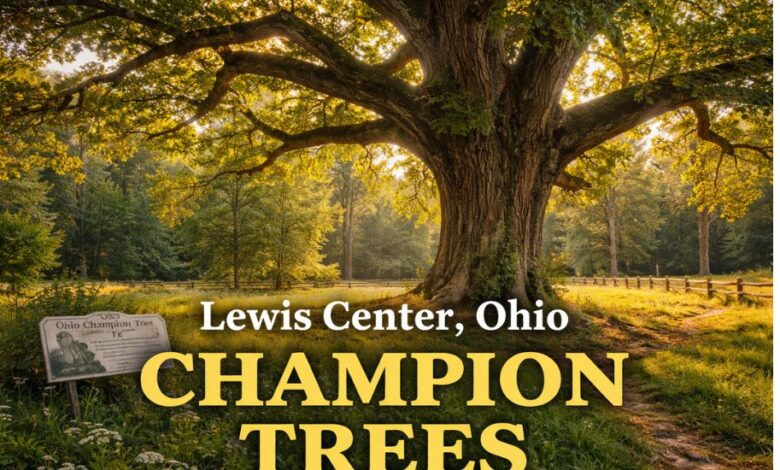
Tucked just north of Columbus, Lewis Center may look like a quiet suburban community at first glance—but beneath that calm surface stands a collection of remarkable natural landmarks: champion trees. These towering giants are more than just big trees; they are living witnesses to centuries of environmental change, settlement, and community growth.
The story of Lewis Center Ohio champion trees is a blend of science, history, and local pride. From massive white oaks that may predate Ohio’s statehood to sycamores stretching skyward near waterways, these trees represent the very best of Ohio’s natural heritage.
Understanding Champion Trees
A champion tree is officially recognized as the largest known specimen of its species within a specific geographic area—such as a county, state, or even the entire nation. Size is calculated using a standardized point system that includes:
- Trunk circumference (girth) measured at 4.5 feet above ground
- Total height from base to highest living branch
- Average crown spread across the canopy
These measurements are added together to produce a champion score. Trees with the highest scores earn champion status and are often recorded in state or national registries.
Ohio is particularly rich in champion trees due to its diverse ecosystems, fertile soils, and long growing seasons. Lewis Center, located in Delaware County, benefits from these same conditions, making it an ideal home for some of the state’s most impressive trees.
Why Lewis Center Is Ideal for Champion Trees
Lewis Center sits within a region shaped by glaciers thousands of years ago. These glaciers left behind deep, nutrient-rich soils—perfect for long-lived hardwood species like oak, maple, and sycamore. Historically, the area was covered in dense forests, interspersed with wetlands and river systems that provided consistent water sources.
Even as development expanded, pockets of mature woodland survived. Some trees were preserved intentionally on farms, in cemeteries, or along property lines. Others found refuge in public green spaces and parks. This mix of history and conservation is why Lewis Center continues to host unusually large and old trees today.
The Legendary White Oaks of Lewis Center
Among the most celebrated Lewis Center Ohio champion trees are white oaks. White oaks are already known for their longevity—often living 300 years or more—but the largest specimens in and around Lewis Center push the limits of what most people imagine possible.
These trees feature:
- Massive trunks with circumferences exceeding 200 inches
- Broad, spreading crowns that shade enormous areas
- Deep root systems that anchor them through centuries of storms
Local stories suggest some white oaks were already mature when early settlers arrived in the region. These trees likely witnessed Native American trail systems, early farming communities, and the transformation of rural land into modern neighborhoods.
Ecologically, white oaks are keystone species. Their acorns support deer, squirrels, birds, and countless insects, while their cavities provide shelter for owls, raccoons, and bats.
Giant Sycamores Near Waterways
Another standout species among Lewis Center’s champion trees is the American sycamore. Sycamores thrive near rivers and streams, and Delaware County’s waterways have allowed them to reach extraordinary sizes.
These trees are easy to recognize by:
- Their towering height
- Distinctive peeling bark with white, gray, and tan patches
- Massive trunks that can rival the largest oaks in girth
Champion sycamores play a critical environmental role. Their roots stabilize stream banks, reducing erosion, while their canopies cool surrounding water—benefiting fish and aquatic life. In many cases, sycamores near Lewis Center are considered not just large, but essential to local ecosystem health.
Maples, Tulip Trees, and Other Contenders
While oaks and sycamores often steal the spotlight, Lewis Center is also home to champion-level specimens of other species, including:
Red and Silver Maples
These fast-growing trees achieve impressive height and crown spread. Silver maples in particular can develop enormous trunks in floodplain areas.
Tulip Trees (Yellow Poplar)
Ohio’s tallest native hardwood, tulip trees near Lewis Center can exceed 120 feet. Their straight trunks and rapid vertical growth often earn them champion recognition.
Bur Oak and Black Walnut
Bur oaks are known for thick bark and massive branches, while black walnuts combine size with economic and ecological value.
Each of these species contributes to the overall diversity of Lewis Center’s champion tree landscape.
Champion Trees and Local Parks
Some of the most accessible large trees near Lewis Center can be found in protected public spaces. One notable nearby location is Highbanks Metro Park, which preserves old-growth forest areas and ravines.
Parks like this serve two critical purposes:
- Protection – Large trees are shielded from development and accidental removal.
- Education – Visitors can learn to identify tree species, understand forest ecology, and appreciate the value of conservation.
Though not every champion tree is formally labeled, many of the park’s largest trees are strong contenders for local or state recognition.
Ecological Importance of Champion Trees
Large, mature trees provide benefits that younger trees simply cannot match. A single champion tree can:
- Absorb hundreds of pounds of carbon dioxide annually
- Filter pollutants from the air
- Reduce urban heat through shade and transpiration
- Support entire food webs of insects, birds, and mammals
Research consistently shows that big trees deliver exponentially greater ecological value than small ones. Losing even one champion tree can have ripple effects across a local ecosystem.
Cultural and Historical Significance
Champion trees are often described as “living landmarks.” In Lewis Center, they help connect residents to the past in ways buildings and monuments cannot.
Many of these trees:
- Mark former farm boundaries
- Stand near historic homesteads or roads
- Appear in family photographs spanning generations
For longtime residents, certain trees become reference points—places to meet, rest, or reflect. They embody continuity in a rapidly changing landscape.
How Trees Become Champions
Champion status doesn’t happen automatically. Trees must be:
- Discovered – Often by residents, arborists, or nature enthusiasts
- Measured – Using standardized forestry methods
- Nominated – Submitted to county or state champion tree programs
- Verified – Checked for accuracy and health
Anyone with permission from the landowner can nominate a tree. This grassroots process means new champion trees are still being discovered in and around Lewis Center today.
Threats to Champion Trees
Despite their size, champion trees are not invincible. Major threats include:
- Land development
- Soil compaction from construction
- Severe storms intensified by climate change
- Disease and invasive insects
Protecting these trees requires careful planning, public awareness, and sometimes legal safeguards. Community involvement plays a key role in ensuring they survive for future generations.
Community Stewardship and the Future
Lewis Center’s growing population makes tree preservation more important than ever. Conservation-minded development, tree protection ordinances, and education initiatives can help ensure champion trees remain part of the landscape.
Residents can contribute by:
- Learning about native tree species
- Supporting local conservation programs
- Reporting unusually large trees to forestry groups
- Respecting root zones and soil health around mature trees
Champion trees remind us that progress and preservation don’t have to be opposites.
Conclusion: Celebrating Lewis Center’s Living Giants
The story of Lewis Center Ohio champion trees is ultimately a story of resilience. These towering oaks, sycamores, maples, and tulip trees have survived centuries of change—natural and human-made—and continue to enrich the community in countless ways.
As Lewis Center grows, these trees offer a grounding presence, connecting modern life to deep ecological and historical roots. By recognizing, protecting, and celebrating them, residents ensure that future generations will stand beneath the same canopies of shade and wonder.
At Newsz, we believe stories like these matter—because understanding and appreciating our natural heritage is the first step toward preserving it.