Asbestlint: Understanding the Hidden Danger of Asbestos Fibers in Modern and Older Buildings

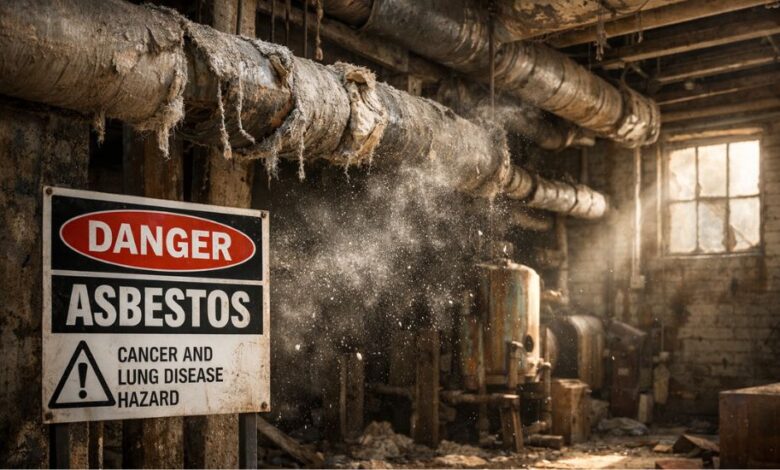
In recent years, the term “asbestlint” has begun appearing in online discussions, blogs, and safety articles related to construction, home renovation, and environmental health. While the word itself is not a formally recognized scientific term, it is commonly used to describe lint-like asbestos fibers or deteriorated asbestos-containing materials that become airborne or accumulate as dust-like residue. These tiny fibers pose serious health risks when inhaled and are especially dangerous because they are invisible to the naked eye.
Asbestos was once widely used in building materials because of its fire resistance, strength, and insulation properties. However, after decades of research, it became clear that asbestos exposure is linked to fatal diseases such as mesothelioma, lung cancer, and asbestosis. Today, many countries have banned or restricted its use, yet asbestos remains present in millions of older structures. The concept of “asbestlint” highlights the subtle and often unnoticed form in which asbestos contamination can still occur.
This article explores what asbestlint is, where it comes from, why it is dangerous, how it can be detected, and what individuals and organizations should do to prevent exposure.
What Is Asbestlint?
Asbestlint is an informal term used to describe fine, lint-like asbestos fibers released from aging or damaged asbestos-containing materials. It may also refer to asbestos tape, rope, or insulation products that resemble lint or fabric and degrade over time into airborne particles.
Unlike solid asbestos sheets or tiles, asbestlint is:
- Light and fluffy in appearance
- Easily disturbed by air movement
- Capable of floating and spreading throughout indoor spaces
- Extremely hazardous when inhaled
Because it resembles harmless dust or lint, people may unknowingly sweep, vacuum, or touch it, increasing the risk of exposure.
Historical Use of Asbestos and How Asbestlint Forms
Why Asbestos Was Popular
For most of the 20th century, asbestos was used extensively in:
- Pipe insulation
- Boiler coverings
- Roofing materials
- Floor tiles
- Cement sheets
- Electrical wiring insulation
- Fireproof fabrics and tapes
It was prized for being:
- Fire-resistant
- Durable
- Chemically stable
- Affordable
How Asbestlint Develops
Asbestos materials degrade over time due to:
- Age and wear
- Moisture exposure
- Physical damage
- Renovation or demolition
- Vibration from machinery or traffic
When these materials break down, they release microscopic fibers that accumulate like lint in corners, vents, or surfaces. This accumulation is what many sources describe as asbestlint.
Where Asbestlint Is Commonly Found
Asbestlint is most often discovered in older buildings constructed before asbestos bans. Typical locations include:
- Boiler rooms and basements
- Steam and hot water pipes
- HVAC ducts and ventilation systems
- Ceiling insulation and attic spaces
- Industrial factories and shipyards
- Old schools and hospitals
- Power plants and warehouses
- Older appliances and furnaces
In these areas, insulation tape or rope can fray and produce lint-like fibers that spread through air circulation systems.
Health Risks of Asbestlint Exposure
The greatest danger of asbestlint is its ability to enter the lungs when inhaled. The fibers are so small that the body cannot expel them effectively.
Major Health Conditions Linked to Exposure
- Asbestosis
A chronic lung disease caused by scarring of lung tissue, leading to breathing difficulties and reduced oxygen intake. - Mesothelioma
A rare and aggressive cancer affecting the lining of the lungs, abdomen, or heart. Almost exclusively linked to asbestos exposure. - Lung Cancer
Increased risk especially among smokers exposed to asbestos. - Pleural Diseases
Thickening of lung lining and fluid accumulation.
Latency Period
One of the most dangerous aspects of asbestos-related diseases is the long latency period:
- Symptoms may appear 20–50 years after exposure.
- People may not realize they were exposed until decades later.
This delayed impact makes prevention critically important.
How Asbestlint Spreads
Asbestlint can become airborne through:
- Sweeping or vacuuming (without HEPA filters)
- Renovation and drilling
- Removing insulation
- Opening walls or ceilings
- Foot traffic
- Air conditioning systems
- Wind and pressure changes
Once airborne, fibers can travel throughout an entire building, contaminating multiple rooms.
Detection and Identification of Asbestlint
Why Visual Inspection Is Not Enough
Asbestos fibers cannot be reliably identified by sight alone. Materials that look like harmless dust may actually contain asbestos.
Professional Testing Methods
- Bulk Sampling
Material samples are collected and analyzed in a certified laboratory. - Air Sampling
Measures fiber concentration in indoor air. - Polarized Light Microscopy (PLM)
Used to identify asbestos types. - Transmission Electron Microscopy (TEM)
Highly sensitive method for detecting microscopic fibers.
Only trained professionals should perform testing, as improper handling increases exposure risk.
Legal and Regulatory Aspects
Many countries have strict regulations governing asbestos:
- Mandatory surveys before renovation or demolition
- Licensing requirements for asbestos removal contractors
- Disposal in approved hazardous waste facilities
- Worker protection laws
- Air quality standards
Failure to comply can result in:
- Heavy fines
- Lawsuits
- Project shutdowns
- Long-term liability
Property owners and employers are responsible for ensuring that asbestos hazards, including asbestlint, are properly managed.
Safe Management and Removal of Asbestlint
Immediate Safety Measures
If suspected asbestlint is found:
- Do not touch or sweep it
- Avoid disturbing the area
- Restrict access
- Turn off ventilation systems
- Contact a licensed asbestos professional
Remediation Options
- Encapsulation
Sealing asbestos materials with special coatings to prevent fiber release. - Enclosure
Covering asbestos with protective barriers. - Removal (Abatement)
Completely removing contaminated material under controlled conditions.
Professionals use:
- Protective suits
- Respirators
- Negative pressure containment
- HEPA filtration systems
DIY removal is strongly discouraged and illegal in many regions.
Environmental Impact of Asbestlint
Asbestlint does not only affect indoor air quality; it can also contaminate soil and water when improperly disposed of.
Environmental concerns include:
- Landfill contamination
- Water runoff
- Long-term soil toxicity
- Wildlife exposure
Proper hazardous waste disposal is essential to prevent secondary exposure to communities.
Prevention and Public Awareness
Prevention is the best defense against asbestlint exposure.
Key Prevention Strategies
- Regular building inspections
- Professional asbestos surveys
- Worker training
- Public education
- Safe renovation practices
- Use of modern, non-toxic materials
Homeowners should never assume older insulation or dust is safe without testing.
The Importance of Education and Research
Although asbestos use has declined, many people remain unaware of its presence in older structures. Continued research is necessary to:
- Improve detection methods
- Study long-term health outcomes
- Develop safer building practices
- Raise awareness among workers and homeowners
The emergence of the term “asbestlint” in online resources shows how language evolves to describe hidden hazards in everyday environments.
Conclusion
Asbestlint represents one of the most dangerous and overlooked forms of asbestos exposure. Its lint-like appearance makes it easy to ignore, yet its health consequences can be devastating. Understanding where it forms, how it spreads, and why it is dangerous is essential for protecting individuals and communities.
With millions of older buildings still containing asbestos, the risk of encountering asbestlint remains real. Responsible management, strict regulations, professional testing, and public education are the keys to minimizing exposure and preventing future health crises.
Awareness platforms and informational blogs play a vital role in spreading accurate knowledge about such hazards. By publishing articles on environmental and health risks like asbestlint, sites such as Newsz contribute to public understanding and safety, helping readers make informed decisions about their homes, workplaces, and surroundings.