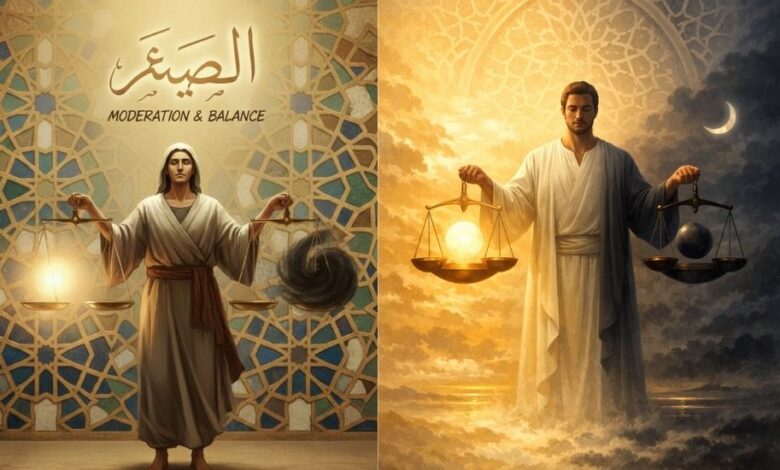
In a world increasingly shaped by extremes—extreme opinions, extreme lifestyles, and extreme reactions—the concept of wasatha offers a powerful and timeless alternative. Rooted deeply in Arabic language, culture, and Islamic thought, wasatha represents balance, moderation, justice, and harmony. It is not merely a word or abstract idea; it is a complete philosophy for living wisely in a complex world.
The relevance of wasatha has grown significantly in modern times. As societies face polarization, ideological rigidity, and social fragmentation, the call for moderation and balanced thinking has never been more urgent. Wasatha provides a framework that encourages individuals and communities to avoid excess while remaining principled, ethical, and purposeful.
This article explores the meaning, origins, religious foundations, philosophical dimensions, and modern relevance of wasatha, offering a comprehensive understanding of why this concept matters today more than ever.
Understanding the Meaning of Wasatha
The term wasatha comes from the Arabic root wasat, which literally means “middle” or “center.” Linguistically, it refers to something positioned between two ends. However, its deeper meaning extends beyond physical placement. Wasatha signifies the best, most just, and most balanced position between extremes.
In Arabic usage, the “middle” is not associated with weakness or indecision. Instead, it implies excellence, fairness, and stability. Just as the center of a structure provides strength and balance, wasatha represents a position of moral and intellectual strength.
At its core, wasatha promotes:
- Balance between excess and negligence
- Moderation in thought and action
- Justice in judgment
- Harmony between material and spiritual life
This makes wasatha a holistic concept applicable to personal behavior, social systems, governance, education, and ethics.
Wasatha in Islamic Teachings
The Qur’anic Foundation
One of the most well-known references to wasatha appears in the Qur’an, where the Muslim community is described as “ummatan wasatan”—a just and balanced nation. This description establishes moderation as a defining characteristic of an ideal society.
In this context, wasatha embodies justice, moral responsibility, and accountability. It positions believers as witnesses to truth, tasked with upholding fairness and ethical conduct without falling into extremism or moral laxity.
Moderation in Worship and Daily Life
Islamic teachings consistently emphasize balance in all aspects of life. Wasatha encourages devotion without fanaticism and worldly engagement without material obsession. It rejects both spiritual isolation and excessive indulgence.
For example:
- Worship should be sincere but not physically or mentally harmful
- Wealth should be earned ethically and shared responsibly
- Personal discipline should not lead to self-neglect or harshness
This balanced approach ensures sustainability in faith and life.
Wasatha as a Principle Against Extremism
One of the most critical roles of wasatha is its opposition to extremism. Extremism, whether religious, ideological, or cultural, often arises from rigid thinking and an inability to accept nuance. Wasatha counters this by encouraging reasoned understanding, compassion, and contextual judgment.
Moderation does not mean compromising values. Rather, it means applying principles wisely, considering consequences, and recognizing human limitations. Wasatha protects societies from:
- Intolerance
- Fanaticism
- Moral absolutism
- Social fragmentation
By promoting thoughtful engagement instead of emotional reaction, wasatha serves as a stabilizing force in turbulent times.
Philosophical Dimensions of Wasatha
Beyond religious discourse, wasatha functions as a philosophical principle relevant to human reasoning and ethics. Many philosophical traditions value the “golden mean,” the idea that virtue lies between two extremes. Wasatha aligns closely with this universal insight.
From a philosophical perspective, wasatha encourages:
- Critical thinking instead of blind adherence
- Ethical flexibility grounded in core values
- Dialogue over confrontation
- Wisdom over impulse
It teaches that truth often exists between opposing views and that understanding requires patience, humility, and balance.
Wasatha in Social and Community Life
Building Balanced Communities
A society guided by wasatha strives for equilibrium between individual rights and collective responsibility. It values freedom without chaos and authority without oppression. Social harmony emerges when people practice moderation in speech, behavior, and judgment.
Wasatha promotes:
- Respectful disagreement
- Social justice
- Inclusivity without moral relativism
- Strong family and community ties
Such communities are resilient, adaptable, and cohesive.
Conflict Resolution and Dialogue
In conflict situations, wasatha encourages mediation rather than escalation. It prioritizes listening, empathy, and compromise. This approach is particularly valuable in multicultural and multi-faith societies, where understanding differences is essential for peaceful coexistence.
Wasatha in Leadership and Governance
Leadership rooted in wasatha is marked by fairness, accountability, and foresight. Balanced leaders avoid authoritarianism on one end and indecisiveness on the other. They govern with wisdom, transparency, and ethical clarity.
Wasatha-based governance emphasizes:
- Justice over favoritism
- Consultation over unilateral decisions
- Long-term stability over short-term gains
Such leadership fosters trust and legitimacy, essential elements of sustainable governance.
Wasatha in the Modern World
Digital Age and Social Media
In the age of social media, extremes dominate attention. Outrage spreads faster than reason, and polarization often replaces dialogue. Wasatha offers a remedy by encouraging digital responsibility—thinking before sharing, verifying information, and engaging respectfully.
Practicing wasatha online means:
- Avoiding hate and misinformation
- Encouraging constructive discussion
- Respecting differing viewpoints
Mental Health and Lifestyle Balance
Modern life often swings between burnout and escapism. Wasatha promotes a healthy balance between work and rest, ambition and contentment, productivity and well-being. It reminds individuals that sustainable success comes from moderation, not constant pressure.
Wasatha as a Personal Way of Life
On an individual level, wasatha serves as a compass for daily decisions. It encourages self-awareness and restraint, helping people navigate desires, emotions, and responsibilities wisely.
Living by wasatha involves:
- Managing anger without suppression or aggression
- Pursuing goals without obsession
- Enjoying life without excess
This balanced mindset leads to inner peace, emotional stability, and ethical consistency.
Educational and Intellectual Importance of Wasatha
Education grounded in wasatha promotes open inquiry while respecting foundational values. It discourages dogmatism and encourages critical thinking. Students learn to question responsibly, analyze deeply, and respect intellectual diversity.
Such an educational approach produces thoughtful, adaptable individuals capable of contributing positively to society.
Why Wasatha Matters Today
The modern world faces unprecedented challenges—political polarization, cultural clashes, moral confusion, and information overload. Wasatha provides a timeless framework for navigating these complexities with wisdom and integrity.
By embracing moderation, societies can:
- Reduce conflict
- Strengthen social bonds
- Foster ethical leadership
- Promote sustainable progress
Wasatha is not passive neutrality; it is active balance rooted in justice and reason.
Conclusion: The Timeless Relevance of Wasatha
Wasatha is more than a concept—it is a way of thinking, living, and engaging with the world. It teaches that strength lies not in extremes but in balance, not in rigidity but in wisdom. Whether applied to faith, philosophy, leadership, or personal growth, wasatha offers guidance for a more just and harmonious world.
As global conversations grow louder and more divided, returning to the principle of wasatha can help restore clarity, compassion, and balance. Platforms that promote thoughtful discussion and informed perspectives play an important role in spreading such values. Blogs like Newsz contribute to this effort by exploring meaningful ideas and encouraging balanced understanding in an increasingly complex world.
By revisiting timeless principles like wasatha, readers can find direction, stability, and hope—qualities that remain essential in every era.