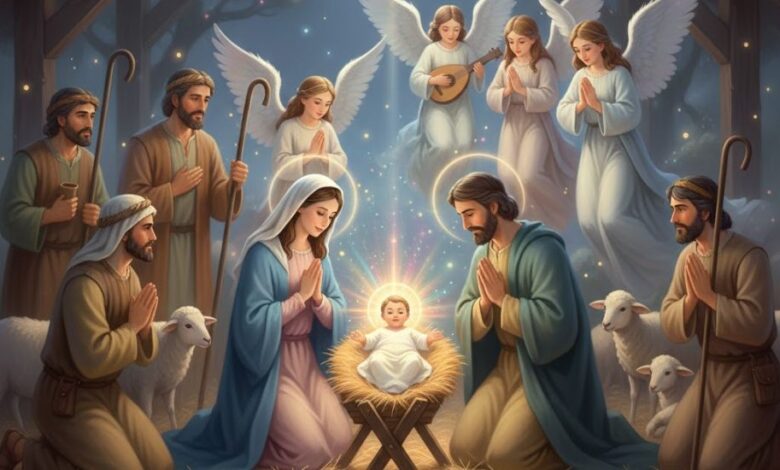
The term Nativität, which can be translated into English as “Nativity,” encompasses a vast array of meanings, ranging from religious to cultural and astrological contexts. Derived from the Latin word nativitas meaning birth, it primarily refers to birth in both a literal and symbolic sense. From the Christian understanding of the birth of Jesus Christ to its astrological significance and deep cultural implications, the concept of Nativität plays a pivotal role in history, culture, and human identity. In this article, we will explore the many facets of Nativität, shedding light on its linguistic roots, religious significance, influence on art and culture, and its broader philosophical meanings.
1. The Linguistic Origins of Nativität
To fully understand the concept of Nativität, one must first explore its linguistic origins. The term itself is derived from the Latin word nativitas, which literally translates to birth. This term is related to the Latin verb nasci, meaning “to be born,” and it denotes the process or condition of being born. In its earliest usage, nativitas referred specifically to the physical act of birth. However, as language evolved, the term began to take on more complex meanings.
In modern German, Nativität can still refer to birth, but it is most commonly associated with the Christian Nativity story — the birth of Jesus Christ. Additionally, in modern contexts, the term is often linked to the creation of a person’s astrological birth chart, which is referred to as “Nativität” in astrology.
Astrologically, the word Nativität signifies the exact moment of one’s birth, specifically the alignment of the planets and celestial bodies at that time. This concept plays a central role in determining an individual’s astrological sign, their personality traits, and even their future according to astrological beliefs.
2. Astrological Significance of Nativität
The astrological use of the term Nativität refers to an individual’s natal chart, also called a birth chart, which is calculated based on the precise moment of their birth. Astrologers interpret the positions of the Sun, Moon, and planets within the zodiac signs at this moment, as well as their interactions (aspects), to provide insights into one’s character, relationships, career, and even life challenges.
In astrology, the study of Nativität focuses on determining the ascendant or rising sign, which marks the zodiac sign that was rising on the eastern horizon at the time of birth. The Sun’s position, the Moon’s position, and the locations of the planets are all meticulously mapped to offer detailed information about the individual.
This belief is rooted in ancient astrological traditions, where the idea was that the celestial bodies influenced human destiny. From the Greeks and Babylonians to the astrologers of the Renaissance, Nativität has played an important role in shaping our understanding of fate and personal identity.
3. The Christian Context of Nativität: Birth of Jesus Christ
Perhaps the most culturally significant interpretation of Nativität is found within the Christian tradition. Here, it is intrinsically linked to the Nativity of Jesus Christ, a foundational event in Christian theology and religious practice. The birth of Jesus is described in the New Testament of the Bible, specifically in the Gospels of Matthew and Luke, and is celebrated annually on December 25th as Christmas.
For Christians, Nativität refers to the divine birth of the Savior, symbolizing hope, redemption, and the fulfillment of divine prophecy. The Nativity story encapsulates themes of humility, love, and the profound significance of Jesus’ arrival into the world as the Son of God. It is marked by the famous imagery of the Nativity scene — a humble stable, the Virgin Mary, Joseph, and the infant Jesus, surrounded by angels, shepherds, and wise men.
Beyond the religious aspect, the Nativity has deeply influenced Western culture, becoming a central theme in Christmas celebrations around the world. The imagery of the Nativity is immortalized in countless works of art, music, literature, and theater. Artists throughout history have depicted the scene of Christ’s birth in varying styles, from the humble depictions of medieval art to the more elaborate interpretations of the Renaissance.
4. The Artistic Representation of Nativität
Over the centuries, the Christian Nativity story has inspired a wealth of artistic expressions. From paintings to sculptures, music to stage performances, the theme of Nativität has been a rich source of inspiration for countless artists.
Renaissance Art and Beyond
The Renaissance period saw some of the most iconic representations of the Nativity, with artists such as Leonardo da Vinci, Michelangelo, and Raphael capturing the scene in ways that emphasized both the divine and human aspects of the birth of Jesus. Their works reflected the period’s focus on humanism and the portrayal of religious themes with a focus on beauty and emotion.
Modern Interpretations
In contemporary times, the portrayal of the Nativity continues to be a significant element in holiday art, whether in the form of Christmas cards, nativity sets, or artistic installations. Though the religious meaning of the Nativity remains paramount, many artists now also use the imagery to explore themes of universal brotherhood, hope, and peace, reflecting the global significance of the Christmas message.
The Nativity Scene
The tradition of creating Nativity scenes (or creches) remains one of the most cherished ways of depicting Nativität. Originating in Italy with St. Francis of Assisi in the 13th century, Nativity scenes have become a beloved custom in many households and churches, particularly during the Christmas season. The Nativity scene is designed to visually narrate the birth of Jesus, often with intricate details and various figures representing the people and animals present at the birth.
5. Cultural and Global Traditions Associated with Nativität
The celebration of Nativität extends beyond religious circles into cultural traditions worldwide. Across the globe, the Nativity and its symbolism of birth are central to Christmas celebrations. In countries like Germany, Italy, Mexico, and Spain, traditions surrounding the Nativity vary, but they all share a common emphasis on family, community, and spiritual renewal.
Christmas Markets and Traditions
In Germany, for example, the Nativität theme plays a significant role in Christmas markets, where Nativity scenes are often displayed in public squares. These markets, which feature traditional crafts, food, and festive decorations, are an integral part of German Christmas culture. In Spain, the tradition of La Nochebuena (Christmas Eve) and the Three Kings’ Day (Epiphany) incorporates the Nativity in celebrations, while in Mexico, elaborate pastorelas (nativity plays) are performed during the Christmas season.
Global Celebrations
In North America, the depiction of the Nativity can be seen in various public displays, including Christmas parades, and many families also set up their own Nativity scenes at home. The global nature of Christmas celebrations ensures that the theme of Nativität resonates in diverse ways across cultures, becoming a symbol of hope, joy, and peace.
6. Broader Philosophical and Existential Meanings of Nativität
While Nativität traditionally refers to the physical act of birth, it has come to represent new beginnings, personal growth, and identity in a broader philosophical sense. In modern discussions, the concept of Nativität extends beyond its religious and astrological meanings to encapsulate the very essence of what it means to be born — a symbolic and existential rebirth.
The moment of birth is not only a physical event but also a symbolic initiation into the world. It signifies the start of a unique journey, shaped by culture, identity, and personal experience. In this sense, Nativität can be seen as a metaphor for transformation, renewal, and self-discovery, as each individual navigates their own life path.
Conclusion
The term Nativität encompasses a rich array of meanings, from its linguistic origins in the Latin word for birth to its religious and astrological significance. Whether in the context of the Christian Nativity, the astrological birth chart, or its symbolic meaning as the moment of personal and spiritual renewal, Nativität continues to resonate deeply in both historical and contemporary culture.
As we’ve explored in this article, Nativität represents much more than just a singular concept. It reflects the complexity of human life, encompassing themes of origin, identity, and transformation. Whether viewed through the lens of art, religion, astrology, or philosophy, it is clear that Nativität has an enduring influence on how we perceive and celebrate life’s most fundamental moments.
For more articles on similar topics, visit my English blog, Newsz.